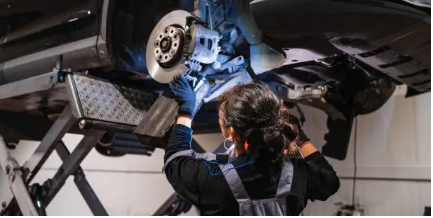
Your vehicle’s braking system is one of its most important safety features, and understanding how professionals diagnose brake issues can help you avoid expensive repairs and dangerous driving conditions. Brake specialists Adelaide motorists rely on use advanced diagnostic methods to identify problems long before they become major safety hazards. Whether you drive daily through Adelaide’s busy CBD, commute across the suburbs, or take regular trips into the Adelaide Hills, knowing these professional diagnostic secrets can help you recognise warning signs early and keep your vehicle performing at its best.
Why Professional Brake Diagnostics Matter
Many drivers assume that brakes only require attention when they begin making unusual noises. In reality, braking systems can develop hidden issues that remain unnoticed until performance is significantly affected. Professional diagnostics involve much more than a simple visual inspection.
Experienced technicians evaluate every component of the braking system, including brake pads, rotors, callipers, hydraulic lines, brake fluid, and electronic safety systems. By identifying small issues early, drivers can prevent more extensive repairs while maintaining optimal stopping performance.
Secret #1: Brake Noise Doesn’t Always Point to Worn Pads
One of the biggest misconceptions is that every squeal from the brakes indicates worn brake pads. While worn friction material is a common cause, professionals understand that brake noise can originate from several different sources.
A thorough diagnosis ensures the actual cause is repaired rather than simply replacing parts that may still have plenty of service life left.
Secret #2: Brake Fluid Reveals More Than You Think
Brake fluid plays a critical role in hydraulic braking performance, yet many drivers overlook its condition.
Professional diagnostics often include testing the brake fluid for:
● Moisture contamination
● Boiling point reduction
● Internal corrosion
● Fluid discolouration
● Hydraulic efficiency
Over time, brake fluid naturally absorbs moisture, reducing braking performance during heavy braking or high temperatures. Regular fluid testing allows technicians to recommend replacement before performance deteriorates.
Secret #3: Rotor Condition Is More Important Than Appearance
Many vehicle owners judge brake rotors simply by looking at the wheels. However, professionals measure far more than visible wear.
Modern brake diagnostics include checking:
● Rotor thickness
● Lateral runout
● Heat spots
● Surface scoring
● Parallelism
● Rotor balance
Brake specialists Adelaide workshops understand that even rotors appearing relatively clean may have hidden imperfections affecting braking smoothness and stopping distance.
Secret #4: Electronic Brake Systems Require Computer Diagnostics
Today’s vehicles feature sophisticated electronic safety technologies that work alongside traditional braking components.
Modern systems include:
● Anti-lock Braking System (ABS)
● Electronic Stability Control (ESC)
● Electronic Brakeforce Distribution (EBD)
● Traction Control
● Emergency Brake Assist
Professional workshops use manufacturer-grade diagnostic equipment to communicate directly with these electronic systems. Fault codes, sensor readings, and system calibrations provide valuable information that cannot be detected solely through visual inspection.
Secret #5: Uneven Brake Wear Tells a Bigger Story
Professional technicians rarely replace worn brake pads without investigating the cause of the wear.
Uneven brake wear may indicate:
● Sticking calipers
● Worn slide pins
● Suspension alignment issues
● Wheel bearing problems
● Hydraulic pressure imbalance
● Driving habits
Rather than treating only the symptom, experienced technicians identify the underlying mechanical cause to prevent repeated brake failures.
Secret #6: Road Testing Is an Essential Part of Diagnostics
Professional brake inspections do not end once the vehicle leaves the workshop hoist.
Controlled road testing allows technicians to evaluate:
● Brake pedal feel
● Vehicle stability
● Pulling during braking
● Brake vibration
● Noise under different speeds
● Emergency stopping response
Real-world driving conditions often reveal issues that static inspections cannot detect. This comprehensive approach helps ensure the braking system performs consistently under varying traffic conditions throughout Adelaide.
Secret #7: Preventive Maintenance Saves More Than Emergency Repairs
Many major brake failures begin as small maintenance issues that could have been addressed during routine servicing.
Preventive diagnostics typically include:
● Brake pad measurements
● Rotor inspections
● Brake fluid testing
● Caliper lubrication
● Hydraulic leak detection
● Brake hose examination
Routine inspections allow technicians to recommend minor repairs before expensive components become damaged. This proactive approach helps drivers reduce long-term maintenance costs while improving vehicle safety.
Adelaide Driving Conditions Create Unique Brake Challenges
Driving conditions across Adelaide place different demands on braking systems throughout the year.
City traffic frequently involves stop-start driving, generating additional brake heat and increasing component wear. Drivers travelling through the Adelaide Hills often experience prolonged downhill braking that places greater stress on brake fluid and rotors.
Summer temperatures can also accelerate brake fluid degradation and contribute to heat-related brake fade. Regular professional diagnostics help identify climate-related wear before it affects braking performance.
Additionally, drivers who regularly tow trailers, caravans, or boats place greater demands on their braking systems. These vehicles benefit from more frequent inspections to maintain reliable stopping performance.
When Should You Schedule a Brake Inspection?
Many brake issues develop gradually, making them difficult to notice during everyday driving.
Schedule an inspection if you experience:
● Squealing or grinding noises
● Vibrations while braking
● Increased stopping distance
● Soft or spongy brake pedal
● Vehicle pulling to one side
● Dashboard brake warning lights
● Burning smells after heavy braking
Brake specialists Adelaide technicians recommend including brake inspections during routine vehicle servicing, even if no obvious symptoms are present. Early detection remains the most effective way to preserve braking performance and avoid unexpected repair costs.
Final Thoughts
Professional brake diagnostics involve far more than replacing worn brake pads. Skilled technicians combine visual inspections, precision measurements, electronic scanning, hydraulic testing, and controlled road testing to assess the complete braking system. By understanding these professional diagnostic secrets, Adelaide drivers can appreciate the importance of preventative maintenance and timely inspections. Investing in expert brake diagnostics not only extends the lifespan of braking components but also provides greater confidence every time you get behind the wheel, knowing your vehicle is equipped to stop safely when it matters most.