You’re missing out if you have never worn a pair of women’s shoes before! This article will discuss the differences between men’s and women’s footwear, including size and fit. So read on to discover what women’s shoes are and which styles are most comfortable for you. You’ll be glad you did! And you’ll be more comfortable wearing them, too!
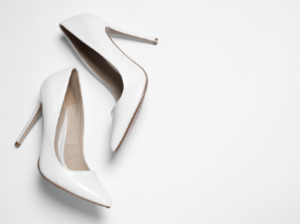 If you spend most of your day on your feet, you’ll want to wear the most comfortable women’s shoes possible. Standing on your feet for a long time is exhausting, and wearing uncomfortable shoes can leave your feet with blisters or soreness. Thankfully, plenty of stylish and comfortable women’s shoes suit all your needs. Just make sure that they’re designed with comfort in mind. If you’re working in a professional environment, you’ll want to buy dress shoes.
Size differences between men’s and women’s shoes
Remember the size differences between men’s and womens shoes when purchasing new shoes. Men’s shoes run about 1.5 sizes smaller than women’s. Although they are about the same width, women’s shoes can be narrower or wider. To be safe, purchase a larger size if you’re in between sizes. If unsure, you can try on two pairs of shoes before buying them.
Typically, women’s and men’s shoes are 1.5 sizes different, but you can often convert between men’s and women’s sizes by trying on boy’s shoes or running shoes. A size five woman’s foot will fit a size 3.5 boys’ shoes, and vice versa. However, children’s shoes are not quite as wide as men’s. Men’s sizes are usually slightly wider, so women who wear large will end up with men’s shoes.
Styles of women’s shoes
Women’s shoes have been around for thousands of years. As early as two thousand years ago, Greek women wore red and white snug-fitting leather shoes and owned as many as 20 pairs at a time. Today, forty to sixty new styles of women’s shoes are introduced annually to the market. In the Middle Ages, fathers passed the bride’s shoe on to the groom. Today, Americans buy about five pairs of women’s shoes a year compared to two pairs of men’s.
When choosing the right pair of shoes, consider what your feet are accustomed to wearing. For example, flat or wide feet should wear closed shoes that accommodate the arch and help the foot bend. Wide-footed women may opt for flat or closed shoes to avoid foot pain. Finally, ensure that the shoe you choose can be worn for various occasions. For instance, high-heeled shoes are ideal for formal occasions, while loafers are best for everyday use.
The fit of women’s shoes
One of the first things to consider when buying womens shoes is the shoe’s fit. If you are not careful, you may have aching feet or bunions. A good rule of thumb is to leave at least one finger width between the toe of the shoe and the tip of your big toe. However, this doesn’t mean that you should buy any pair that looks good. The fit of a pair of shoes should reflect your foot type.
Wide feet require shoes that conform to the shape of the foot. Wide feet usually have one larger foot than the other, so when choosing a pair of shoes, you need to measure your biggest foot. Try it on at the end of the day when your foot is at its biggest. Ensure ample room for your longest toe and that the football fits appropriately in the shoe. If the ball of your foot is hanging out of the shoe, it probably is not a good fit.
Trends in women’s shoes
The runway shows for women’s shoes start about six months before the season hits stores, so designers must predict what the fashion crowd will like. This season, Loewe, Balmain and Tom Ford embraced the post-pandemic golden age of dressing up with sculptural stilettos that played with geometric shapes and chains. Some of these designs were also made affordable by straight-to-market brands.
Whether your preference is for platform sandals or chunky slip-on, you’ll find the perfect pair of shoes to complement your outfit. A great pair of wedges are essential to any spring outfit, whether you’re dressing for a formal event or a night out. So whether you’re a clogs-lover or a stiletto-heeled boot, there’s a style for you.