A plumber is an individual who installs and maintains drainage, sewage and potable water systems. Plumbing is a wide range of work, with a wide variety of job duties. Some plumbers specialise in certain areas, such as drains, water lines, septic systems, and water treatment facilities. Plumbing is a demanding career, and the physical demands are significant.
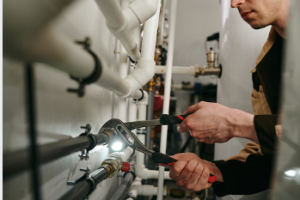 Diverse careers as a plumber
Consider making a living as a plumber. You can work for a plumbing company, gas company, construction company, or as an independent contractor. In the booming construction industry, plumbers often have long hours and may even be required to work weekends. As a result, a plumber may need to be available 24 hours a day, seven days a week, and may have a difficult schedule because they are usually called for emergencies. But while plumbing may not offer the best life-work balance, there are many advantages to being in this field.
While a Distinct-Plumbing plumber Elizabeth job is demanding, there are plenty of opportunities for advancement. Many plumbers start off working as entry-level workers for plumbing companies. If they enjoy their work, they may advance to journeyman status and eventually become a supervisor. They may also open their own plumbing business.
Physical demands of the job
Plumbers need to be physically fit to do their jobs. Their work requires them to work in tight spaces, climb ladders, and perform other manual labour. They also have to adhere to company safety training and policies. These workers also need to communicate with customers, and the job requires plumbers to lift and carry heavy tools.
Plumbers also need to be able to perform on-call work. For example, they must be able to understand and read building blueprints to avoid damage to the structure. They must also check for obstructions before putting in the pipe so as not to weaken the structure. They must also be able to measure and cut pipe openings. In addition, they need to assemble pipe fittings and valves.
Plumbers typically work for plumbing and maintenance businesses. Their job requires them to travel to different sites to perform routine maintenance and resolve plumbing emergencies. They also must be able to carry heavy objects and lift up to 100 pounds.
Education required
The education required to become a plumber varies by state, but in most cases, you will need a high school diploma or a GED. In some states, a license is also required. However, the majority of plumbers are trained through apprenticeships. These are often offered through unions or local contractor organisations. These apprenticeship programs combine classroom learning with hands-on training.
Apprenticeships take anywhere from two to five years to complete. They often involve in-school and on-the-job training, which is usually part-time. In addition, technical and vocational schools often offer plumbing coursework, including pipefitting and steamfitting. Two-year degrees in plumbing technology are also available. These programs can be expensive, however. For example, an associate’s degree in plumbing technology can cost as much as $10,000. If you’re not interested in going to school, consider an apprenticeship.
Depending on your location, gain a professional license. Several states require plumbers to have this license, while others require them to be licensed by a local government. While this is unnecessary, it will make your career more marketable to potential customers. In some cities, plumbers are required to have continuing education to stay licensed. A master plumber is required to take seven hours of approved continuing education annually. However, smaller cities may not require continuing education.
Cost of training
The cost of Distinct-Plumbing plumber Elizabeth training can vary wildly depending on which institution you choose to attend. For example, tuition at one California plumbing trade school can run from $14,675 to $31,928 for a nine-to-twelve-month course. However, another Georgia college charges as little as $6,080 to complete a commercial/residential plumbing technician certificate program. In addition to tuition and fees, there are many other expenses that you need to consider when calculating the total cost of plumber training.
Consider an apprenticeship if you’re looking for a practical, hands-on training program. An apprenticeship is an excellent way to get your feet wet in the plumbing industry while still earning money with your current employer. Depending on your state, your apprenticeship may cost anywhere from $500 to $10,000. Then, once you’ve completed your plumbing training, you’ll need to apply for state licensing, which will cost another $75-300.