Choosing the right rangehood can significantly impact your kitchen’s functionality, aesthetics, and air quality. Schweigen rangehoods are renowned for their efficiency, quiet operation, and sleek design. If you’re considering upgrading or installing a Schweigen rangehood, it’s essential to make an informed decision to ensure it meets your needs and enhances your cooking experience. Here’s a comprehensive guide to help you choose the perfect Schweigen rangehood for your kitchen in Adelaide.
Understand Your Kitchen’s Needs
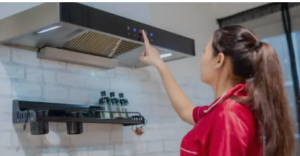 Before diving into the specifics of Schweigen rangehoods, assess your kitchen’s requirements. Consider the following factors:
- Cooking Style: Do you cook frequently or use high-heat methods like frying and grilling? A higher capacity rangehood might be necessary to handle the increased smoke and steam.
- Kitchen Size: Larger kitchens generally require more powerful rangehoods to effectively ventilate the space. Measure the dimensions of your kitchen and cooking area to determine the appropriate size and capacity.
Choose the Right Type of Schweigen Rangehood
Schweigen offers various rangehood models, each suited to different kitchen designs and needs. The main types include:
- Canopy Rangehoods: These are wall-mounted and ideal for kitchens with a range or cooktop positioned against a wall. They provide a professional look and are highly effective in capturing smoke and odours.
- Under-Cabinet Rangehoods: Perfect for kitchens with limited space or for those who prefer a more integrated look. These range hoods are mounted under cabinets, offering a streamlined appearance.
- Island Rangehoods: If your cooktop is on an island, an island rangehood is essential. These models hang from the ceiling and are designed to be both functional and visually striking.
Evaluate Airflow and Extraction Power
Airflow, measured in cubic meters per hour (m³/h), is a crucial factor in choosing a Schweigen rangehoods. The airflow capacity you need depends on the size of your kitchen and the intensity of cooking. A general rule of thumb is:
- Small Kitchens: For kitchens up to 10 square meters, a rangehood with an airflow of around 400-600 m³/h is usually sufficient.
- Medium Kitchens: For kitchens between 10 and 20 square meters, aim for an airflow of 600-800 m³/h.
- Large Kitchens: For kitchens larger than 20 square meters or high-usage areas, look for range hoods with airflow of 800 m³/h or more.
Schweigen rangehoods are known for their powerful extraction capabilities, ensuring efficient removal of smoke and odours.
Consider Noise Levels
One of the standout features of Schweigen rangehoods is their quiet operation. Traditional rangehoods can be noisy, which can be disruptive during cooking or when entertaining. Schweigen rangehoods use a unique Silent Range technology that minimizes noise while maintaining high performance. When choosing a model, look for its noise level specifications, typically measured in decibels (dB). Schweigen rangehoods generally operate at lower noise levels compared to many competitors, ensuring a quieter cooking environment.
Look at Filtration Options
Effective filtration is crucial for maintaining good air quality in your kitchen. Schweigen range hoods offer several filtration options:
- Mesh Filters: These are designed to capture grease and are generally easy to clean. They are a common choice for residential kitchens.
- Carbon Filters: Ideal for recirculating rangehoods, carbon filters help remove odours and are often used in combination with other filters. Schweigen rangehoods equipped with carbon filters offer enhanced odour control.
Consider the type of filtration that best suits your cooking style and maintenance preferences. Regular cleaning or replacement of filters is essential to ensure optimal performance.
Installation and Ducting
Proper installation is crucial for optimal performance. Schweigen rangehoods offer both ducted and ductless installation options:
- Ducted Installation: Requires a duct to vent air outside. This option is generally more effective in removing smoke and odours.
- Ductless Installation: Utilises charcoal filters to recirculate air within the kitchen. This option is suitable for kitchens where external ducting is not feasible.
Consider your kitchen’s layout and ventilation options when deciding on installation type. Schweigen’s range hoods are designed for easy installation, but professional installation can ensure optimal performance and compliance with local regulations.
Conclusion
Choosing the perfect Schweigen rangehoods for your kitchen in Adelaide involves considering your cooking habits, kitchen size, airflow needs, noise preferences, filtration requirements, and design aesthetics. Schweigen rangehoods offer a blend of functionality, quiet operation, and stylish design, making them a top choice for many homeowners. By evaluating these factors and selecting a model that fits your needs, you can enhance your kitchen’s ventilation and overall cooking experience.
When in doubt, consult with a professional to ensure you select the best Schweigen rangehood for your specific requirements.