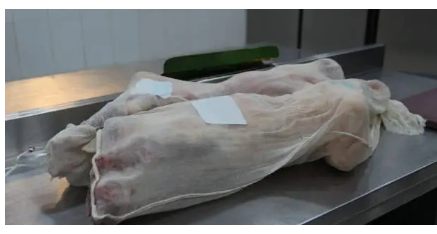
Across Australia’s meat processing plants, wholesale produce markets, and export packaging facilities, demand for reliable protective packaging continues to grow. One solution that consistently stands out is heavy-duty stockinette bags, which are widely used to protect carcasses, fruits, vegetables, and industrial goods during storage and transport. Businesses are increasingly prioritising durability, hygiene, and cost efficiency, especially in high-volume supply chains that span domestic distribution and international export routes.
In this context, selecting the right stockinette material is not just a packaging decision—it directly impacts product integrity, compliance with food safety standards, and overall operational efficiency. This guide explores how Australian industries can choose and apply stockinette solutions effectively.
Understanding Stockinette Bags in Industrial Packaging
Stockinette bags are tubular, stretchable mesh sleeves typically made from cotton, polyester, or blended synthetic fibres. Their open-weave design allows airflow while providing a protective barrier against abrasion, contamination, and surface damage.
In Australia, they are commonly used in:
● Meat processing (lamb, beef, pork carcass protection)
● Horticulture (onions, citrus, and root vegetables)
● Seafood handling and storage
● Export packaging for chilled or frozen goods
The versatility of stockinette makes it suitable for both wet and dry environments, particularly in cold-chain logistics, where condensation control is important.
When operations require increased tensile strength and resistance to tearing, heavy-duty stockinette bags become the preferred choice. These reinforced variants are engineered for higher load-bearing capacity and extended handling cycles, especially in automated processing environments found in major Australian food production hubs.
Applications Across Australian Supply Chains
Australia’s export-driven agricultural and meat industries rely heavily on consistent packaging performance. In meatworks across Queensland, New South Wales, and Victoria, stockinette sleeves are used to protect carcasses during chilling and transport. Similarly, horticultural exporters in South Australia and Western Australia depend on mesh-based packaging to reduce spoilage during long-distance shipping.
In these environments, heavy-duty stockinette bags offer a critical advantage: they reduce product loss from punctures, compression damage, and moisture buildup. This is particularly important for exporters operating in markets with strict international quality standards, such as Japan, the Middle East, and Southeast Asia.
How to Choose the Right Heavy-Duty Stockinette Bags
Selecting the appropriate stockinette solution depends on several technical and operational factors:
1. Material Composition
Cotton blends offer breathability and softness, while synthetic fibres such as polyester provide greater tensile strength and moisture resistance. For high-volume processing plants, synthetic-heavy blends are often preferred.
2. Mesh Density
Tighter mesh improves product containment but may reduce airflow. Looser mesh enhances ventilation but offers less protection. The balance depends on whether the product is fresh, chilled, or frozen.
3. Load Capacity
Not all stockinette products are designed for heavy industrial loads. Facilities handling large carcasses or bulk produce should prioritise heavy-duty stockinette bags with reinforced stitching and higher GSM (grams per square metre).
4. Compliance Standards
Australian food safety regulations require packaging materials to be non-toxic and suitable for direct or indirect food contact. Exporters must also consider destination-country compliance rules.
5. Temperature Resistance
Cold storage environments require materials that maintain flexibility at low temperatures without becoming brittle or tearing under stress.
By evaluating these criteria, businesses can significantly improve packaging efficiency while reducing waste and operational costs.
Benefits of Heavy-Duty Stockinette in Industrial Use
The use of reinforced stockinette delivers several measurable advantages across supply chains:
● Improved product protection during transport and handling
● Reduced spoilage rates in chilled storage environments
● Enhanced airflow for fresh produce preservation
● Lower packaging waste compared to rigid materials
● Compatibility with automated processing lines
In large-scale Australian meat processing facilities, heavy-duty stockinette bags also contribute to improved hygiene control by minimising direct contact between products and external contaminants. This is especially important in export-certified facilities operating under HACCP and AQIS-aligned protocols.
Export Packaging and Compliance Considerations
Australia’s export economy places significant emphasis on packaging integrity. Stockinette materials used in export-bound goods must meet strict durability and cleanliness standards to withstand long transit times.
For chilled meat exports, packaging must maintain structural stability under fluctuating temperatures while preventing contamination. Similarly, agricultural exports require breathable yet protective packaging to minimise condensation and spoilage.
In this environment, heavy-duty stockinette bags are often preferred because they offer a balance of strength, ventilation, and compliance. Their ability to perform consistently across temperature zones makes them ideal for long-haul shipping routes from Australia to global markets.
Conclusion
As Australia’s agricultural and meat export sectors continue to expand, the demand for reliable and efficient packaging solutions grows alongside them. Stockinette materials remain a cornerstone of industrial packaging due to their versatility and protective qualities.
For businesses seeking to improve durability, reduce waste, and maintain compliance with strict food safety standards, investing in heavy-duty stockinette bags is a practical, cost-effective decision. When selected correctly, they enhance product protection, streamline logistics, and support the high-performance requirements of modern Australian supply chains.