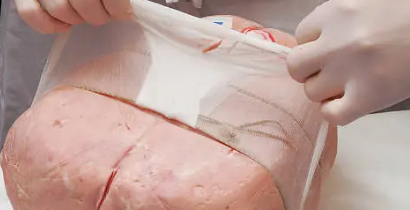
In the Australian meat industry, efficiency, hygiene, and presentation are of paramount importance. One tool that has become increasingly essential is stockinette meat bags. These versatile bags are widely used by both professional butchers and home cooks, helping to streamline meat preparation while maintaining high standards of cleanliness and safety. Whether for curing, smoking, or storing meat, stockinette meat bags offer a practical solution for Australians seeking convenience and quality in meat handling.
What Are Stockinette Meat Bags?
Stockinette meat bags are durable, breathable fabric casings made from cotton or synthetic blends. They are designed to hold whole cuts of meat or processed sausages, providing a secure and hygienic environment during preparation and cooking. Unlike traditional plastic wraps or casings, stockinette bags allow air circulation, which is crucial when curing or smoking meats. This unique property prevents excessive moisture accumulation, reducing the risk of spoilage while preserving the meat’s natural flavours.
In Australia, where barbecue culture and home butchery are prevalent, stockinette meat bags have gained popularity among small-scale producers and culinary enthusiasts. They are especially favoured for making hams, salami, and other specialty meats that require slow curing or smoking processes.
Advantages of Using Stockinette Meat Bags
- Enhanced Hygiene and Safety
Maintaining hygiene is critical in meat preparation. Stockinette meat bags provide a clean barrier between the meat and external contaminants, ensuring a safe and hygienic environment. They reduce direct contact with hands or surfaces, helping to minimise the risk of bacterial contamination. Australian food safety standards are rigorous, and using stockinette bags aligns perfectly with best practices for meat handling and storage.
- Improved Meat Shape and Presentation
One of the lesser-known benefits of stockinette meat bags is their ability to help meat retain its shape and appearance. When curing hams or sausages, the meat is tightly enclosed in a bag, which promotes uniformity and reduces deformities. It is particularly useful for Australian butchers who want to ensure their products are not only safe and tasty but also visually appealing for retail displays.
- Versatility Across Meat Types
Stockinette meat bags are suitable for a variety of meats, including beef, pork, lamb, and poultry. They can accommodate large cuts or small portions, making them practical for both commercial operations and home kitchens. In Australia, where diverse meat consumption is common, this adaptability makes stockinette meat bags a valuable kitchen accessory.
- Ease of Use and Cleaning
Reusable stockinette bags are easy to handle and maintain. After use, they can be washed and sanitised, providing a sustainable alternative to single-use plastic casings. For environmentally conscious Australians, this is an added benefit that aligns with local initiatives aimed at reducing plastic waste in the food industry.
How Australian Butchers and Home Cooks Use Stockinette Meat Bags
Curing and Smoking Meats
Stockinette meat bags are ideal for curing and smoking processes. When preparing hams or dry-cured sausages, the bag holds the meat securely, allowing salt, spices, and seasonings to penetrate evenly. Its breathable fabric ensures that smoke circulates efficiently during smoking, enhancing flavour without trapping excess moisture. Many Australian charcutiers and home enthusiasts swear by stockinette meat bags for achieving consistent, professional-quality results.
Storage and Transport
Transporting meat safely from one location to another requires packaging that maintains hygiene and integrity. Stockinette meat bags provide a reliable solution, keeping cuts intact while preventing direct contact with external surfaces. For farmers’ markets and specialty meat shops across Australia, this ensures that meat reaches customers in optimal condition.
Culinary Experimentation
Australian home cooks who enjoy experimenting with gourmet meat dishes also benefit from stockinette meat bags. From homemade sausages to cured beef, these bags allow for precise portioning and controlled curing conditions. The result is professional-quality meat products that rival those of local butchers.
Choosing the Right Stockinette Meat Bags in Australia
When selecting stockinette meat bags, consider size, material, and durability. Cotton bags are breathable and ideal for slow curing, while synthetic blends offer greater stretch and resilience. Many suppliers in Australia provide a range of options to suit different needs, whether for professional butchers or home culinary enthusiasts. Always ensure the bags are food-grade and washable, complying with Australian food safety standards.
Conclusion
For Australians who value quality, hygiene, and presentation in meat preparation, stockinette meat bags are indispensable. They combine functionality with durability, supporting a wide range of culinary techniques from curing and smoking to storage and transport. Whether used by professional butchers or home cooks experimenting with gourmet meat, these versatile bags are transforming the way Australians handle and enjoy their meat. By choosing high-quality stockinette bags, individuals and businesses alike can ensure their meat products meet the highest standards of safety, taste, and visual appeal.
Investing in stockinette meat bags is more than just a practical choice—it’s a commitment to professionalism, consistency, and culinary excellence in the Australian meat industry.