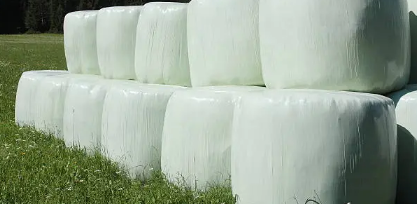
Properly using silage wrap is essential for Australian farmers who want to preserve high-quality feed for their livestock. Silage wrap provides an airtight seal that prevents spoilage, retains nutrients, and keeps bales fresh for months. With Australia’s diverse climate, from the humid conditions of Queensland to the cooler southern regions like Victoria and South Australia, knowing the correct wrapping techniques can make a significant difference in feed quality and farm efficiency. This step-by-step guide will walk you through wrapping bales with silage wrap, highlighting best practices tailored for Australian farms.
Step 1: Choosing the Right Silage Wrap for Australian Conditions
Selecting the right silage wrap is the first critical step. In Australia, UV-resistant silage wrap is highly recommended because prolonged sun exposure can cause weaker seals and plastic degradation. Consider the thickness of the wrap; most Australian farms use 25 to 30-micron films for round bales. Thicker films provide better puncture resistance, which is important when working with coarse hay or large machinery. Additionally, check whether the wrap is stretchable enough for your bale size—common Australian round bales typically weigh between 350 and 500 kilograms.
Step 2: Preparing the Bales
Before wrapping, ensure that your bales are properly prepared. Bales should be dry on the outside to prevent mould and contamination. Using freshly cut, partially wilted forage improves fermentation and yields higher-quality silage. In Australia’s warmer regions, it’s crucial to avoid wrapping overly wet bales, as this can lead to spoilage. Place the bales on a flat, clean surface to prevent debris from puncturing the wrap. Some farmers use pallets or gravel pads to keep the bales off wet ground.
Step 3: Inspecting and Setting Up Equipment
Having the right equipment makes wrapping bales easier and more efficient. A bale wrapper, whether stationary or tractor-mounted, is essential for Australian farms managing large numbers of bales. Before starting, inspect the machine for wear and tear, ensure that rollers spin freely, and check that the tension settings are correct. Some Australian suppliers offer automatic tension control, which can help achieve a tighter seal, especially important in windy conditions common in rural regions like South Australia and New South Wales.
Step 4: Wrapping the Bales
Begin wrapping the bale with a single layer of silage wrap, ensuring the film is centred. Most Australian farmers apply at least four to six layers to create an airtight seal. Rotate the bale slowly to avoid tearing the wrap. Overlapping each layer by about 50% ensures no gaps are left for air to enter. For round bales, it’s common practice to wrap both the sides and the ends. This step is critical to prevent oxygen from entering, which can cause spoilage and nutrient loss.
Step 5: Checking for Holes and Imperfections
Once the bale is wrapped, inspect it carefully for holes, punctures, or weak spots. In Australia, wildlife such as birds or rodents can sometimes damage the wrap, so regular checks are necessary. Minor tears can be repaired with silage tape to maintain the airtight seal. Properly wrapped bales should appear smooth, with no loose sections of plastic, and should have a firm, compact shape.
Step 6: Storing Wrapped Bales
Storage is as important as wrapping. Place bales on a slightly elevated surface and away from sharp objects that could puncture the wrap. In regions with heavy rainfall, like northern Queensland, consider storing bales under cover or stacking them carefully to avoid water pooling. Southern Australian farms may experience frost, so avoid placing bales in low-lying areas where water can freeze and damage the plastic. Adequate spacing between bales also allows airflow, reducing condensation and helping maintain quality.
Step 7: Monitoring and Usage
Regular monitoring ensures your investment in silage wrap pays off. Check wrapped bales monthly for signs of spoilage, such as soft spots, discolouration, or a foul odour. In Australia, where seasonal feed shortages can occur, having reliable silage stored ensures that livestock nutrition remains consistent throughout the year. When using the silage, unwrap only the portion needed to minimise exposure to air and maintain the rest of the bale’s quality.
Tips for Australian Farmers
● UV Protection: Use UV-resistant wrap to prevent degradation from strong Australian sunlight.
● Layering: Four to six layers provide a strong barrier against oxygen.
● Puncture Prevention: Keep bales away from sharp objects and check for wildlife damage.
● Climate Considerations: Adjust wrapping techniques based on regional conditions—drier areas may need fewer precautions, while wet or humid areas require extra care.
By following these steps, Australian farmers can maximise the lifespan and nutritional value of their silage. Proper use of silage wrap reduces waste, ensures healthy feed for livestock, and increases farm efficiency. Whether you manage a small property or a large-scale operation, understanding the correct techniques for wrapping bales is a critical investment in your farm’s productivity.