Baler twine is a tough string-like cord used to tie bales of hay or other materials. It can be either natural or synthetic.
The twines must be made from quality materials. Look for good fibrillation and consistency, as well as resistance and elongation.
Polypropylene
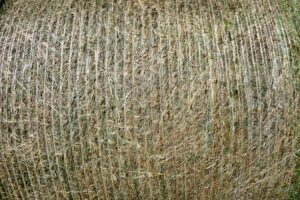 Polypropylene is a versatile textile material that can be used for various applications. It is available in multiple colours and offers excellent chemical and fatigue resistance. It can also be welded and is ideal for the construction, packaging, and automotive industries. It is also resistant to bacterial growth, making it a popular choice for medical equipment. It is also easy to sterilize, so it is an excellent choice for items that must be repeatedly cleaned. Buy quality baler twine products here now.
This thermoplastic material can be produced from petroleum products or natural gas. The raw material is then put through chain-growth polymerization to create the polypropylene. This polymer has a low boiling point and melts at a relatively lower temperature than other types of plastic. It is also resistant to bacteria, mildew, rot, and mould.
Polypropylene is solid, with a tensile strength of up to 90 lbs. It can be woven into non-woven or woven fabrics and is often used for baling twine. It is lightweight, inexpensive, and can withstand high levels of stress. It is also water-resistant and floats in both salt and freshwater. It can also be washed in a washing machine, although it is best to use cold water and a mild detergent.
Sisal
Sisal is a natural fibre cultivated to produce sisal rope, twine, mats, and other products. It is a challenging and durable fibre characterised by its high strength, durability, ability to stretch, affinity for dyes, and resistance to deterioration in salt water. As a result, it is an excellent substitute for synthetics.
It grows well in various climates and soil conditions and requires little cultivation input. It has an average lifespan of seven to 10 years. It produces many usable leaves and can be grown without fertilizer or pesticides. It can bind and pack hay, straw, grass, and other natural products into compact bundles that are easily stacked for storage, transport or sale. Buy quality baler twine products here now.
It can also be used to Swatow or bind grass, weeds, and other plants for use in reforestation, land conservation, soil erosion control, and to provide food for wildlife. It can also be used to make fencing and create vegetative hedges that effectively protect crops, farmlands and forests from predatory animals and intruders. It is a versatile plant that is an essential component of global sustainability and biodiversity initiatives. It can also help reduce greenhouse gas emissions. It absorbs carbon dioxide during processing and is 100 per cent biodegradable.
Envirocord Biodegradable
Throughout the world, twine used to wrap hay or straw into bales ends up on the ground after harvest, polluting fields and often getting stuck in agricultural machinery. As a result, the twine and nets are usually thrown away or burned, producing toxic fumes. Rebtex (Pty) Ltd of Polokwane, South Africa, is making a safe plant fibre product that will biodegrade and leave no toxins in the soil, called CountyLine solar degradable baling twine.
Developed as an alternative to sisal twine, Cordex Envirocord is a waterproof, odourless polypropylene twine that will biodegrade within three months of sunlight exposure. Compared to sisal twine at the same spool length and tensile strength, 33% to 50% savings are realized. Sold in 20,000 ft spools, this is an economically viable replacement for expensive Sisal twine.
Baler Twine Products
Baler twine products are used in the agricultural industry to form bales of straw, clover, and other crops. When the twine is wrapped around the crop, it creates a bundle that can be easily transported, stored, and handled. It is an essential tool that helps farmers produce high-quality and cost-effective bales for their livestock.
In the 1960s, companies began experimenting with artificial baler twine materials. Polypropylene, a plastic, quickly became the new standard, as it was much stronger than sisal, more resistant to weather elements and was suitable for larger bale sizes. Today, many different types of twine are made from various artificial plastics. Each class is made from several smaller fibre strands twisted together.
Cotesi combines its expertise in the field of twine production with a solid agricultural orientation. This has allowed us to develop a series of premium wines, especially for use in large square balers and the new high-density crops. The result is a product that combines high press density with adequate length to guarantee safe bales and satisfy the demands of the most demanding customers. Buy quality baler twine products here now.