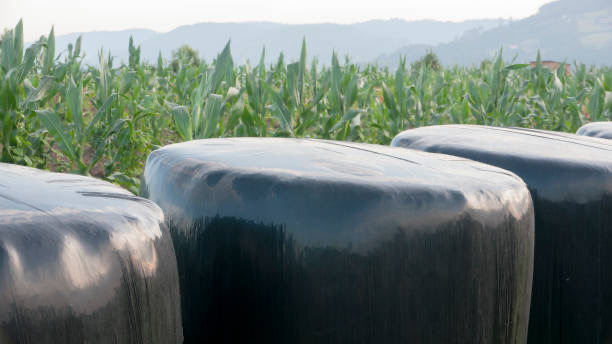
In the world of modern Australian agriculture, silage film plays an indispensable role in preserving forage quality, maximising feed efficiency, and safeguarding livestock nutrition. While many farmers focus on the type or brand of silage film, one often overlooked yet crucial factor is the film’s thickness. Selecting the appropriate silage film thickness is essential to ensure optimal silage preservation, reduce spoilage, and maintain the economic viability of farm operations.
Why Silage Film Thickness Matters
Silage film serves as a barrier, sealing the forage from oxygen, moisture, and contaminants that can degrade the feed quality. Thickness directly impacts the film’s durability, puncture resistance, and oxygen permeability — all factors that influence the ensiling process. In the Australian context, where climate conditions can vary widely from the humid subtropics to arid inland regions, choosing the right silage film thickness is critical.
Thicker films generally provide better protection. They are more resistant to tears, punctures from sharp plant materials, and damage from wildlife or farm machinery. This robust physical barrier helps maintain the anaerobic environment required for fermentation, preserving the silage’s nutritional value and preventing costly losses.
Balancing Cost and Protection
While thicker silage films offer superior protection, they also come at a higher upfront cost. Australian farmers must balance the expense with the potential savings gained from reduced spoilage and higher feed quality.
Investing in a thicker film can be particularly advantageous for large silage stacks or bales that are expected to be stored for extended periods. In these cases, the risk of punctures and oxygen ingress increases, making durability a priority. Conversely, for shorter storage durations or smaller operations, a moderately thick film may provide sufficient protection at a lower cost.
Environmental Considerations in Australia
Australia’s commitment to sustainable farming practices is influencing silage film choices. Many producers seek biodegradable or recyclable options, yet these materials can vary in thickness and performance. Thicker biodegradable films may degrade more slowly, providing adequate protection while aligning with environmental goals.
Farmers must consider the climate-specific demands of their region — thicker films can better withstand strong sun exposure and temperature fluctuations common in many Australian farming areas, reducing the likelihood of film degradation during storage.
How Thickness Influences Oxygen Transmission Rates
One of the technical aspects often missed in silage film selection is the Oxygen Transmission Rate (OTR). This metric measures how much oxygen passes through the film over time. A thicker film typically has a lower OTR, meaning it is more effective at preventing oxygen from entering the silage.
Oxygen exposure can lead to aerobic spoilage, mould growth, and nutrient loss — problems that reduce silage palatability and can harm livestock health. In Australia, where ambient temperatures can accelerate spoilage, a thicker film with a low OTR becomes essential to preserve silage integrity.
Practical Tips for Australian Farmers
- Assess your storage duration: Longer-term silage storage demands thicker, more durable films.
- Consider local climate: Regions with intense UV exposure or variable temperatures benefit from thicker, UV-resistant films.
- Match film thickness with machinery: Ensure your wrapping equipment can handle the selected film thickness without causing breaks or jams.
- Evaluate economic trade-offs: Factor in the cost savings from reduced spoilage against the initial investment in thicker film.
- Review product specifications: Always check the manufacturer’s details on thickness, OTR, and UV resistance to select the best fit.
Case Study: Silage Film Thickness Impact in Queensland
In Queensland’s subtropical climate, a group of dairy farmers experimented with silage films of varying thicknesses. They found that films below 25 microns were prone to tears and oxygen leaks, resulting in increased spoilage and reduced milk production. When switching to a 30-micron film, the farmers observed better preservation, less waste, and improved livestock performance — proving that investing in thicker silage film pays off in the long run.
The Future of Silage Film in Australian Agriculture
With increasing demand for sustainable farming and economic efficiency, silage film manufacturers are innovating to provide films that are not only thicker but also more eco-friendly and technologically advanced. Advances such as multilayer films that combine strength with lower environmental impact are gaining traction.
Australian farmers should stay informed about these developments and consider film thickness not just as a protective measure but as a strategic investment in their farm’s productivity and sustainability.
Conclusion
The importance of silage film thickness cannot be overstated for Australian farmers aiming for optimal silage preservation. Thickness directly affects durability, oxygen permeability, and the ability to protect silage from environmental and mechanical damage. While thicker films may come at a higher initial cost, the long-term benefits in reduced spoilage, improved feed quality, and livestock health offer significant returns.
By carefully evaluating their storage needs, local climate challenges, and budget constraints, Australian farmers can select the ideal silage film thickness that safeguards their investment and promotes a more sustainable and profitable agricultural future.