As a loving dog owner in Portland, Oregon, your furry friend’s health and happiness are your top priorities. Unfortunately, some injuries, like a cranial cruciate ligament (CCL) tear, can cause significant discomfort and limit your dog’s mobility. For more information about the CCL tear in dogs surgery, click here.
What is a CCL Tear in Dogs?
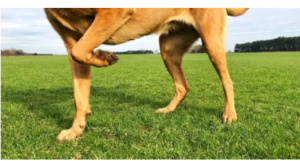 The cranial cruciate ligament (CCL) in dogs is similar to the anterior cruciate ligament (ACL) in humans. It plays a crucial role in stabilising the knee joint (stifle). A CCL tear in dogs occurs when this ligament is partially or completely ruptured, leading to joint instability, pain, and difficulty walking.
In Portland, where outdoor activities like hiking and playing at dog-friendly parks are popular, active dogs may be more prone to CCL injuries. However, this condition can affect dogs of any breed, age, or activity level.
Causes of CCL Tears in Dogs
Several factors contribute to the likelihood of a CCL tear in dogs:
- Genetics: Certain breeds, such as Labradors, Golden Retrievers, and Rottweilers, are predisposed to ligament injuries.
- Obesity: Excess weight places additional strain on your dog’s joints, increasing the risk of a tear.
- Age and Degeneration: Over time, ligaments can weaken, making older dogs more susceptible to injuries.
- Trauma: Sudden movements, such as jumping or turning quickly, can lead to a CCL tear.
- Poor Joint Health: Pre-existing conditions like arthritis or hip dysplasia can exacerbate ligament damage.
Symptoms of a CCL Tear in Dogs
Recognising the signs of a CCL tear in dogs is essential for early intervention. Common symptoms include:
- Limping or Lameness: Your dog may avoid putting weight on the injured leg.
- Stiffness: Especially noticeable after resting or during colder mornings in Portland’s climate.
- Difficulty Rising or Sitting: Your dog might struggle to get up or sit down.
- Swelling Around the Knee: The affected area may appear swollen or tender to the touch. For more information about the CCL tear in dogs surgery, click here.
- “Drawer Sign”: A veterinary test that reveals excessive movement in the knee joint due to ligament instability.
If you notice any of these symptoms, consult your veterinarian in Portland promptly for a diagnosis and treatment plan.
Diagnosing a CCL Tear in Dogs
Veterinarians in Portland typically use a combination of physical exams and diagnostic tools to confirm a CCL tear in dogs. The process may include:
- Physical Examination: Testing the knee joint for instability or the drawer sign.
- X-rays: To assess joint health and rule out other conditions.
- MRI or Ultrasound: Advanced imaging to evaluate soft tissue damage in complex cases.
Prompt diagnosis can prevent further joint damage and reduce the risk of secondary conditions like arthritis.
Treatment Options for a CCL Tear in Dogs
Treatment for a CCL tear in dogs depends on the severity of the injury and your dog’s overall health. Common options include:
Surgical Intervention
Surgery is often recommended for active dogs or those with complete tears. Some popular surgical methods include:
- TPLO (Tibial Plateau Leveling Osteotomy): Realigns the knee to eliminate the need for the damaged ligament.
- TTA (Tibial Tuberosity Advancement): Changes the mechanics of the knee joint for stability.
- Extracapsular Repair: Uses sutures to stabilise the joint, ideal for smaller or less active dogs.
Non-Surgical Management
Conservative treatment may be sufficient for older or less active dogs. This approach includes:
- Physical Therapy: Exercises to improve strength and mobility.
- Weight Management: Reducing stress on the joints through proper diet and exercise.
- Pain Relief: Anti-inflammatory medications or supplements like glucosamine and chondroitin.
Regenerative Medicine
Emerging therapies, such as platelet-rich plasma (PRP) and stem cell treatments, are gaining popularity in Portland’s progressive veterinary community. These methods aim to promote healing and reduce inflammation naturally. For more information about the CCL tear in dogs surgery, click here.
Conclusion
A CCL tear in dogs can be challenging, but with timely diagnosis and appropriate care, your furry friend can regain mobility and quality of life. Portland pet owners are fortunate to have access to excellent veterinary services and dog-friendly facilities to support recovery and prevention.
By staying vigilant and proactive, you can ensure your dog remains happy, healthy, and ready for the next adventure—whether it’s a stroll through Laurelhurst Park or a hike on Forest Park’s trails.