In the realm of veterinary care, physical therapy for dogs, often abbreviated as dog PT, has emerged as a crucial component in enhancing canine health and well-being. Far beyond the traditional role of throwing a ball or going for walks, dog physical therapists specialise in rehabilitation and therapeutic techniques that address a vast range of musculoskeletal issues, injuries, and chronic conditions. This article delves deeps into the comprehensive care provided by dog PT professionals, shedding light on their expertise, methods, and the transformative impact they have on dogs’ lives.
Understanding the Role of Dog Physical Therapists
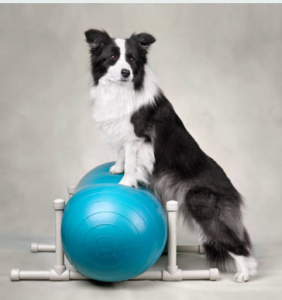 Dog physical therapists are trained professionals who possess specialised knowledge in anatomy, physiology, biomechanics, and rehabilitation techniques tailored specifically for dogs. Their primary goal is to improve mobility, reduce pain, accelerate recovery from injuries or surgeries, and enhance the overall quality of life for their canine patients. Whether treating a young dog recovering from a fracture or an older dog struggling with arthritis, these therapists employ a variety of therapeutic modalities to achieve optimal outcomes.
Comprehensive Assessment and Treatment
The journey with a dog physical therapist typically begins with a comprehensive assessment. It involves a detailed examination of the dog’s medical history, current condition, gait analysis, range of motion testing, and palpation of affected areas. By fully understanding the specific challenges faced by each dog, the therapist can tailor a personalised treatment plan.
Treatment modalities used in dog PT encompass a broad spectrum of techniques, including:
- Therapeutic Exercises: Customised exercises to strengthen muscles, improve flexibility, and promote balance.
- Manual Therapy: Hands-on techniques, including massage, joint mobilisation, and stretching, to alleviate pain and enhance joint mobility.
- Aquatic Therapy: Hydrotherapy sessions in specialised pools or underwater treadmills that reduce weight-bearing stress while allowing for controlled movement and strengthening.
- Electrotherapy: Modalities like electrical stimulation and ultrasound therapy to manage pain, reduce inflammation, and significantly promote tissue healing.
- Assistive Devices: Prescription and fitting of braces, splints, or prosthetics to support injured limbs or improve mobility.
The Impact of Dog PT on Canine Lives
The benefits of dog physical therapy extend beyond mere rehabilitation. For many dogs, it offers a path to restored mobility, pain relief, and regained independence. Dogs recovering from injuries or surgeries often experience faster healing and reduced complications when integrated with physical therapy. Additionally, older dogs with chronic conditions such as arthritis can see significant improvements in comfort and mobility, enabling them to lead more active and fulfilling lives.
Collaboration with Veterinarians and Pet Owners
Effective collaboration between dog physical therapists, veterinarians, and pet owners is essential for achieving optimal outcomes. Therapists work closely with veterinarians to ensure continuity of care and adherence to treatment protocols. They educate pet owners on therapeutic exercises and techniques that can be continued at home to reinforce progress made during therapy sessions. This collaborative approach maximises the potential for long-term success and enhances the overall well-being of the dog.
Educational Requirements and Certification
Becoming a dog physical therapist requires a rigorous educational background. Many practitioners hold advanced degrees in veterinary physiotherapy, physical therapy, or related fields. Certification through organisations such as the Canine Rehabilitation Institute (CRI) or the University of Tennessee’s Certified Canine Rehabilitation Practitioner (CCRP) program ensures that therapists meet established standards of competency and professionalism in the field.
The Future of Dog Physical Therapy
As awareness of the benefits of dog PT grows, so does the demand for qualified practitioners. Advances in veterinary medicine and technology continue to expand the scope of rehabilitation options available to dogs. From innovative therapies to cutting-edge equipment, the future holds promise for further improving outcomes and enhancing the lives of canine patients.
Conclusion
In conclusion, dog physical therapists play a pivotal role in the health and well-being of dogs by providing comprehensive rehabilitation and therapeutic care. Through personalised treatment plans, advanced techniques, and compassionate care, these professionals help dogs recover from injuries, manage chronic conditions, and regain their mobility and vitality. By partnering with veterinarians and pet owners, dog PTs ensure that each canine patient receives the specialised care needed to thrive. As the field continues to evolve, dog physical therapy remains a cornerstone of veterinary rehabilitation, offering dogs a chance to go beyond fetch and enjoy a life of comfort, mobility, and happiness.