You want to use the best possible baling twine when baling your hay. The advantages of using such a product are many and can make a big difference to your overall hay baling experience. Having the right hay baling twine can mean distinguishing between a perfect bale and a flopped one. Here are some of the benefits of baling twine:
Sisal twine
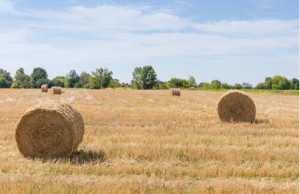 Sisal baling twine is a hay binding material used to wrap and secure hay bales. It comes in a variety of colours and weights. The tensile strength of sisal baling twine depends on the type of baler that you use.
When choosing baling twine for your farm, it is important to consider the knot strength. Your hay will be less effective if you choose a soft, cheaper twine. To determine the knot strength, you will need to measure the force you can apply before the knot breaks.
During the 1960s, the chemists at Phillips Petroleum developed a polypropylene polymer. Polypropylene is durable, rot-proof, and can withstand harsh environments. This product has surpassed natural baling twine as the most popular choice for farmers.
Plastic twine is an alternative to sisal. It is stronger than the natural product but does not degrade like sisal. Therefore, it is ideal for outdoor storage applications. However, plastic does not have the same benefits as sisal, including the ability to be reused.
Sisal baling twine is made from plant fibres, which makes it a sustainable and biodegradable alternative. It is also treated to resist rot and insects. Some of the best types of sisal are Brazilian. Top-grade Brazilian sisal has long fibres that are unclipped. They are also treated to guard against mildew.
Natural fibre twine has been around for decades and is used by many farmers. However, some hay producers are concerned about the rot that sisal can cause.
One way to avoid this is to purchase baling twine that is solar-degradable. These twines combine the best features of sisal and synthetic twine. By using solar-degradable baling twine, you will have a longer time to store hay before it decomposes.
Another option is a net wrap. Many balers have been fitted with this feature, and this method improves the forage’s integrity and provides better water-shedding properties. In addition, the net wrap is strong enough to hold a larger hay bale than sisal.
Polypropylene twine
Polypropylene baling twine is one of the most popular types of baling twine. It is widely used in agriculture because of its durability and resistance to most chemicals. This type of twine is also highly UV-treated, making it resistant to rotting and mildew.
Having a strong baling twine will reduce the downtime of your baling machine. It will allow you to achieve an optimum cost per bale. The more bales you can spool, the less you will have to reload the machine. Using baling twine will also help you optimise the baler machine’s space.
Unlike plastic, polypropylene baling twine does not rot when it is on the ground. It does, however, decompose slowly over time. It takes about 50 years before it becomes fully dissolved.
Polypropylene is not a renewable resource; it is, therefore, better to recycle. You can repurpose baling twine into outdoor pots or deli containers. Alternatively, you can reuse baling twine to mend fences, attach tractor parts, and more.
When you need baling twine, you should be sure to buy a product with a meter-weight ratio that matches the size of your baling machine. A heavier baling twine will be stronger and save you time during the silage process.
Biodegradable baler twine
Biodegradable baler twine is a type of twine that is made from natural or synthetic fibres and can be used for baling hay. It has many benefits and is available from manufacturers such as Cordex.
In addition, it can be used to keep the farm gates closed. This product can help protect against rodents and mildew. Moreover, it is safe for animals and the environment.
Choosing the right type of binding is based on several factors. For instance, the type of forage you will store in the field, the location of the storage, and the feeding plans. However, the type of baler you use will also have an impact on the type of baling material you need.