When it comes to buying steel you want to be sure that you’re getting the best quality for the price. You don’t want to be stuck with something that isn’t going to last for long or doesn’t have the quality you need for your project. You can do a few things to ensure that you’re choosing the right supplier for your projects.
Stainless steel
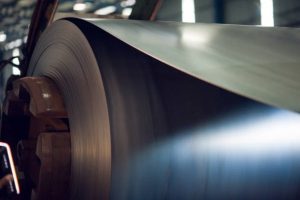 If you’re in the market for a stainless-steel supplier, it’s important to take the time to research your options. You want to find a vendor with the right certifications and fabrication processes, but you also want to ensure good quality.
Stainless steel is used in a wide range of industries. It’s also a durable material that is easily recyclable. You can choose from a variety of grades and forms.
Choosing the best steel Adelaide grade isn’t always easy, but a reputable vendor can help you find the perfect metal for your application. Some of the most common stainless steel grades include 304 and 316. The tensile strength of the grade can affect your choice.
You’ll also want to ask about the vendor’s process to validate the stainless steel. The quality assurance process should be a good indicator of the vendor’s commitment to customer service.
You can also find out about the steel Adelaide vendor’s reputation by checking out their client base. Look for companies with well-established communication networks. You may also want to ask customers for testimonials. These reviews can give you a better idea of the vendor’s work ethic.
Quality is the most important metric to consider when shopping for a steel Adelaide vendor. You don’t want to settle for anything less than a durable product that will last for years.
You should be able to find a reputable supplier that can source any grade of steel. You’ll also want to learn about the grading system used.
The grading system you choose will affect how the finished product is manufactured. It will determine the numbering system as well as the corresponding material specifications. You will also want to consider the bending and cutting equipment’s quality.
Tool steel
A tool steel supplier can help you find the right grade of tool steel for your application. The quality of the tool steel you choose is essential for the success of your project. When choosing the right grade, you should consider the following factors.
First, you must understand what the application is. It is necessary because different grades have different properties. You also need to determine the number of parts you’ll be producing.
Another consideration is the cost of the steel. There are several different grades available, and the price of each will vary. It would be best if you considered the cost of each material in your assessment matrix. The steel grade may not provide the desired performance if the price is high.
You should also consider your budget. If you’re working on a small budget, you may want to look into the lower-priced W-grades.
Another important factor is toughness. Steel with good toughness can withstand extreme temperatures. It can also be used in applications that require the ability to withstand heat and abrasion.
If you’re working in a manufacturing environment, you’ll also want to take a close look at the heat resistance of the steel you’re considering. Generally, higher heat resistance means a stronger material.
Wear resistance is also important to consider. If you’re machining plastic or metal, you’ll need a tool that can resist the abrasion of these materials. It helps keep the form of your tool from being damaged.
The hardness of tool steel can vary drastically. Some steels are extremely brittle, while others are extremely durable. It is especially true when you’re working at high temperatures.
Price
The price of steel is an important issue for many domestic and foreign businesses. Prices are being driven by global supply and demand factors, inflation, and the war in Ukraine.
The CRU Index is a useful tool for analysing supply and demand. It compares current steel prices to past steel prices and is developed using volume-weighted prices.
Another market-related measure is the HRC price. It is the highest of the three and has been climbing for the past two years. It can jump from $30 to $40 a ton weekly.
The price of cold-rolled steel has also been rising. It’s now averaging about $400 to $500 a ton. It is slightly higher than the historical average of $200.
As the economy improves and oil producers ramp up production, steel demand is expected to increase. It is one of the reasons why steel imports are up by 37% in the first ten months of the year.
Steel manufacturers also report a concern about the state of the labour force. The spectre of a global labour shortage has made it tough to keep up with the demand for a growing industry.
The steel transportation cost has increased, resulting in a larger overall price. In addition, some suppliers include transportation as an additional expense or build it into the cost of the steel.
The price of steel is not an easy thing to calculate. However, there are several things you can do to minimise the price. A quality steel supplier will deliver the material promptly.