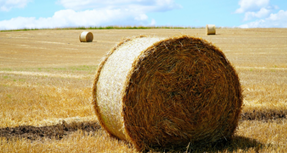
Coastal Australian pastures place demanding conditions on baling equipment and materials. Dairy farms and silage producers can face high humidity, salt-laden winds and intense ultraviolet exposure, creating a challenging environment for polypropylene twine. While standard twine can perform well under suitable storage conditions, prolonged exposure to these elements can accelerate surface ageing and loss of mechanical performance.
Choosing UV-resistant baler twine is therefore an important consideration for farms producing hay, straw and silage near Australia’s coastline. The right specification can help maintain bale integrity from the paddock through handling and storage.
How Coastal Conditions Affect Baler Twine
Polypropylene baler twine faces more than mechanical stress during baling. Coastal environments can combine moisture, salt deposits and strong sunlight, creating conditions that may accelerate material degradation.
UV radiation is particularly important. Prolonged exposure can cause photo-oxidation in polypropylene, gradually affecting the polymer structure. As degradation progresses, twine may become less flexible and more susceptible to breaking under tension, during knotting, or with bale movement.
Salt air is another consideration. Salt itself does not necessarily attack polypropylene the way it corrodes metals, but salt deposits combined with moisture can create a harsh outdoor environment. Twine stored or used in exposed coastal conditions can also accumulate dirt and moisture around knots and contact points.
Why UV Resistance Matters
For farms in coastal Victoria, Tasmania, South Australia, New South Wales and other exposed regions, selecting UV-resistant baler twine can provide an additional margin of durability during outdoor storage.
UV stabilisers are incorporated into suitable polypropylene formulations to slow the effects of ultraviolet radiation. A twine’s performance depends on its formulation, stabiliser package, manufacturing quality, and intended exposure conditions, so farms should follow the manufacturer’s specifications rather than assuming all polypropylene twines offer the same protection.
When comparing products, look for specifications covering:
● UV stabilisation or UV resistance
● Knot strength and tensile strength
● Recommended bale type and density
● Twine linear density or runnage
● Intended storage and exposure conditions
● Compatibility with the baler’s knotter system
Selecting Twine for Coastal Hay and Silage
The required twine specification depends on how the bales will be produced, handled and stored. Dense large-square bales, for example, can place substantial loads on twine during formation and handling.
A UV– and weather-resistant baler twine for coastal applications also requires attention to storage. Even a high-quality UV-stabilised agricultural packaging solution product can experience unnecessary exposure if rolls are left outdoors before use.
Reduce Unnecessary Weather Exposure
Store unused twine under cover and away from direct sunlight, rain and condensation. Keeping rolls in their original packaging until required can reduce unnecessary environmental exposure.
For completed bales, consider the expected storage period and whether they will remain uncovered. Long-term outdoor storage imposes different durability requirements than short-term paddock staging.
Match Twine to the Baling System
Durability is not determined by UV resistance alone. The twine must also suit the baler’s knotter, bale density and crop conditions.
If twine repeatedly fails at the knot, investigate knotter adjustment, twine tension, bale density and the twine specification before simply switching products. Mechanical setup and material selection work together to determine reliable bale performance.
Conclusion
Coastal farms need to account for the combined effects of sunlight, humidity, salt-laden air and mechanical loading when selecting baling materials. UV-resistant baler twine designed for demanding outdoor conditions can help reduce premature degradation, particularly where bales or twine are exposed for extended periods.
Before your next baling season, review the manufacturer’s UV and strength specifications and choose a product suited to your crop, baler and expected storage conditions. For exposed Australian pasture operations, selecting UV- and weather-resistant baler twine coastal specifications can help deliver more dependable bale handling.
—
Frequently Asked Questions
1. Why does UV exposure affect baler twine?
Ultraviolet radiation can cause photo-oxidation in polypropylene, gradually reducing material performance and making exposed twine more vulnerable to cracking or breakage.
2. Is coastal air harmful to polypropylene baler twine?
Polypropylene is generally resistant to moisture and many environmental conditions, but coastal exposure combines humidity, salt deposits, sunlight and weathering, increasing the overall environmental demand on the material.
3. What is UV-resistant baler twine?
It is baler twine manufactured with UV-stabilising additives to slow degradation from prolonged ultraviolet exposure.
4. Should coastal farms store baler twine indoors?
Yes. Keeping unused twine under cover and protected from direct sunlight and moisture minimises unnecessary environmental exposure before use.
5. Is UV resistance the only factor when choosing baler twine?
No. Knot strength, tensile strength, twine size, bale density, crop conditions and compatibility with the baler’s knotter are also important.