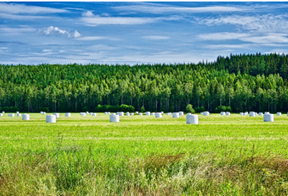
Producing high-quality fodder in Australia requires careful planning, from selecting the right forage to storing finished bales. One of the most important decisions is choosing the right silage wrap. The quality of the plastic used to seal bales directly affects moisture protection, fermentation, and feed preservation. Whether you’re managing a dairy farm in Victoria, a livestock property in Queensland, or a mixed farming operation in South Australia, selecting suitable wrapping materials can help reduce spoilage and protect valuable feed.
Understanding film quality, bale handling, and local weather conditions is essential for making a practical investment in fodder preservation.
Why Silage Wrap Quality Matters
Silage relies on fermentation in an oxygen-limited environment. Once forage is baled and wrapped, the plastic creates a barrier that helps maintain the conditions required for desirable fermentation.
Poor-quality or unsuitable film can let oxygen in through tears, punctures, or inadequate seals. This may encourage mould growth, heating, and nutrient losses.
When comparing silage wrap Australia suppliers, farmers should look beyond the purchase price. Film thickness, stretch performance, puncture resistance, and resistance to environmental exposure all influence how effectively bales remain sealed.
Choosing Silage Wrap for Moisture Control
Moisture management starts before wrapping. Forage that is too wet may undergo undesirable fermentation, while excessively dry material can be difficult to compact and may retain more oxygen within the bale.
The right agricultural plastic wrap helps maintain a protective seal, but it cannot compensate for poorly prepared forage or incorrect baling practices.
Key Features to Consider
When selecting baling materials, assess the following factors:
● Stretch consistency: Quality film should stretch evenly and maintain reliable coverage around the bale.
● Puncture resistance: Strong film helps withstand handling, transport, and contact with rough surfaces.
● Adhesion between layers: Effective cling helps create a secure seal and limit oxygen entry.
● UV resistance: Film designed for outdoor storage can help protect against sunlight-related deterioration.
● Film compatibility: Ensure the product is compatible with your wrapping machine and the recommended application settings.
Farmers should also check the manufacturer’s guidance on film application, storage conditions, and the recommended number of wrapping layers.
Improving Baling Efficiency With the Right Film
Efficient baling involves more than compacting forage. The wrapping process must be consistent, timely, and suited to the farm’s equipment and operating conditions.
High-quality baling silage wrap can support smoother application when it is compatible with the wrapper and properly tensioned. Consistent film stretch may help reduce uneven coverage and minimise unnecessary material waste.
Before purchasing, consider:
1. Wrapper compatibility: Confirm that the film works with your machine’s specifications and tension settings.
2. Bale dimensions: Choose film suitable for the size and shape of the bales you produce.
3. Handling requirements: Assess the film’s ability to withstand movement from the field to the storage area.
4. Storage conditions: Consider exposure to wind, sunlight, and potential contact with sharp objects.
For Australian farms, weather conditions can vary significantly between regions. Coastal humidity, summer heat, and unpredictable rainfall make reliable bale protection particularly important.
Fodder Preservation and Long-Term Value
Fodder preservation stretch film aims to maintain stored forage quality by creating an effective oxygen barrier. However, successful preservation depends on several factors working together, including forage moisture, bale density, wrapping speed, and storage practices.
After wrapping, inspect bales for visible damage. Promptly repair or manage damaged film using manufacturer-recommended products. Store bales away from sharp objects, minimise unnecessary handling, and monitor them for signs of damage.
These simple measures can help protect feed quality and reduce avoidable waste.
Conclusion: Make Every Bale Count
Choosing the right silage wrap is an important part of efficient fodder management in Australia. By considering film strength, stretch performance, UV resistance, and equipment compatibility, farmers can make more informed purchasing decisions and better protect bales.
Looking for suitable silage wrap for your farm? Speak with a reputable Australian agricultural film supplier to compare products, confirm machine compatibility, and select a wrapping solution suited to your forage and storage conditions.
—
Frequently Asked Questions
1. What is silage wrap used for?
Silage wrap seals forage bales to limit oxygen exposure and support the fermentation process that preserves feed.
2. How do I choose silage wrap in Australia?
Consider film strength, stretch performance, UV resistance, bale size, machine compatibility, and the conditions in which bales will be stored.
3. Why is moisture control important when making silage?
Correct forage moisture supports desirable fermentation. Material that is too wet or too dry can create preservation challenges.
4. How many layers of silage wrap should I use?
The required number of layers depends on the forage, bale conditions, film specifications, and manufacturer’s recommendations. Follow the guidance for your product and wrapping system.
5. Can silage wrap protect bales from Australian weather?
Suitable film can help protect bales from moisture and environmental exposure. However, proper storage, careful handling, and regular inspections are also necessary to maintain the seal.